The 2026 Collection
Moving to Modernism — Arriving at Abstraction
British modern art is often presented as a sudden break with the past. In reality, it was a gradual evolution. Artists did not simply abandon landscape; they began to look at it differently. Form became more important than description, structure replaced detail, and colour increasingly carried emotional rather than literal meaning.
This collection follows that journey through works from the Sharpe Fine Art collection.
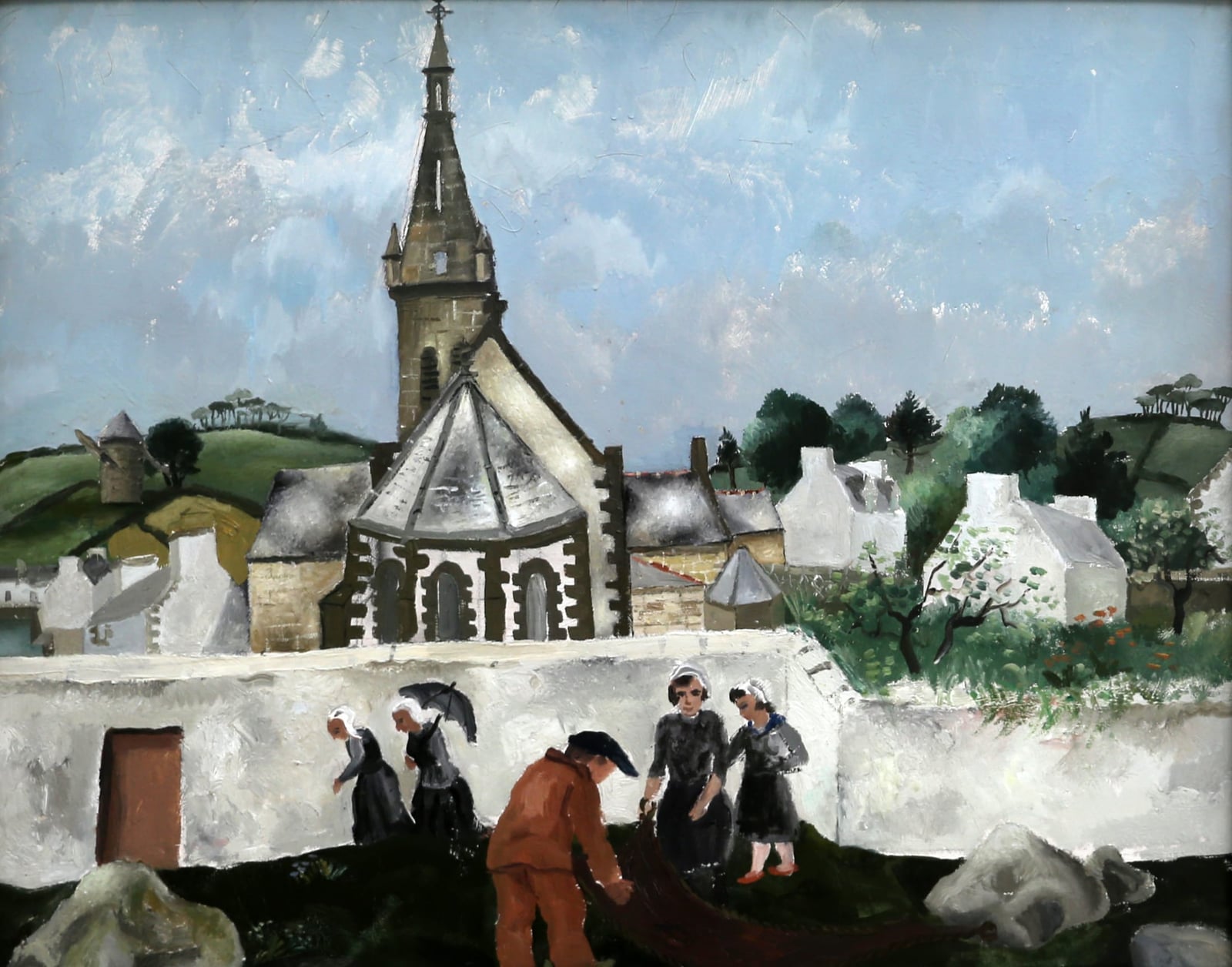
It began in the late nineteenth and early twentieth centuries with artists who remained rooted in observation. With the works shown on the front page of the collection, artists such as Charles Napier Hemy, Horace Overton Jones and Lamorna Birch capture the sea, the Cornish coast and the changing light with remarkable sensitivity. Even at this stage, however, there is an increasing confidence that painting can interpret rather than merely record the landscape.
Everything changed with St Ives.
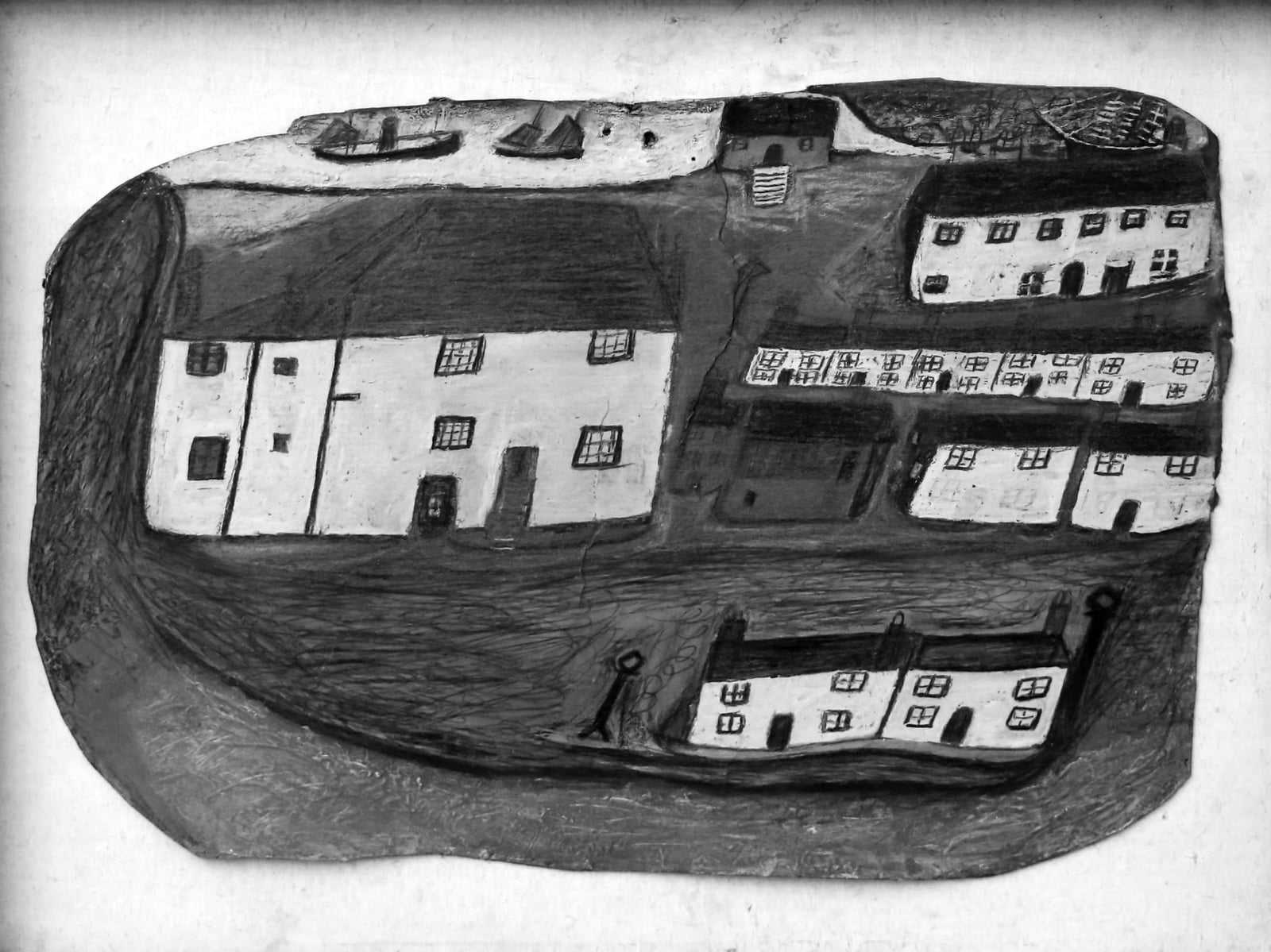
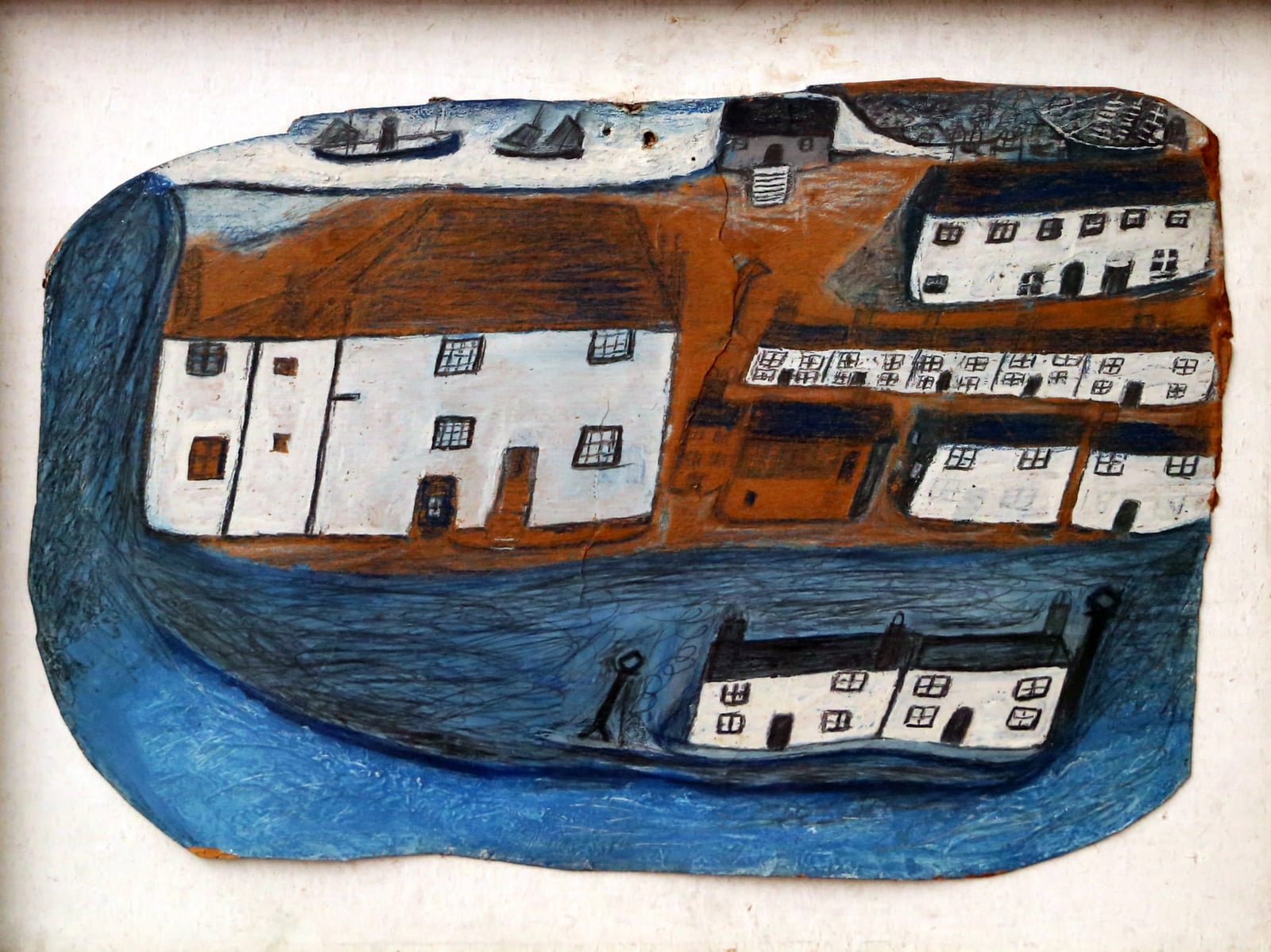
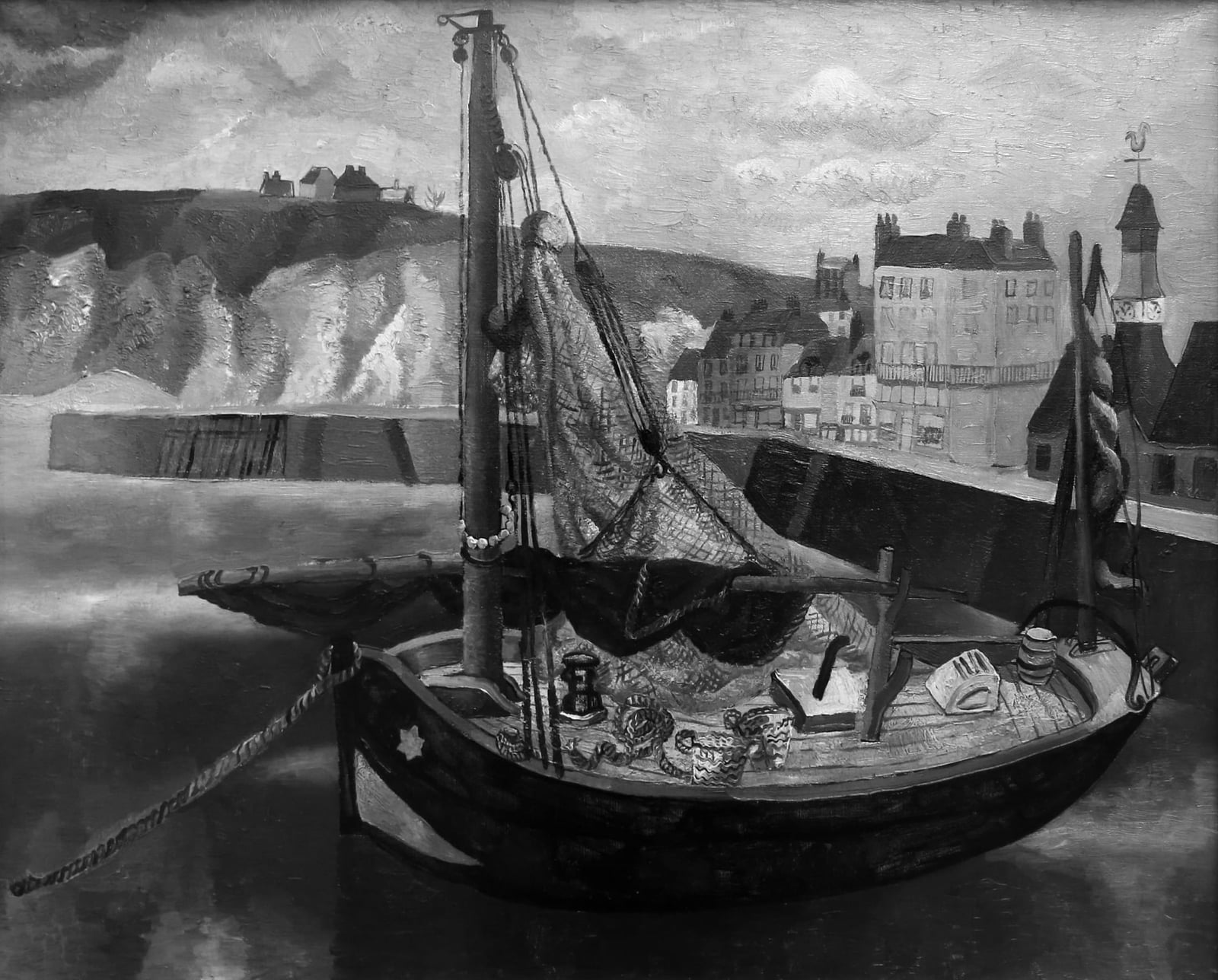
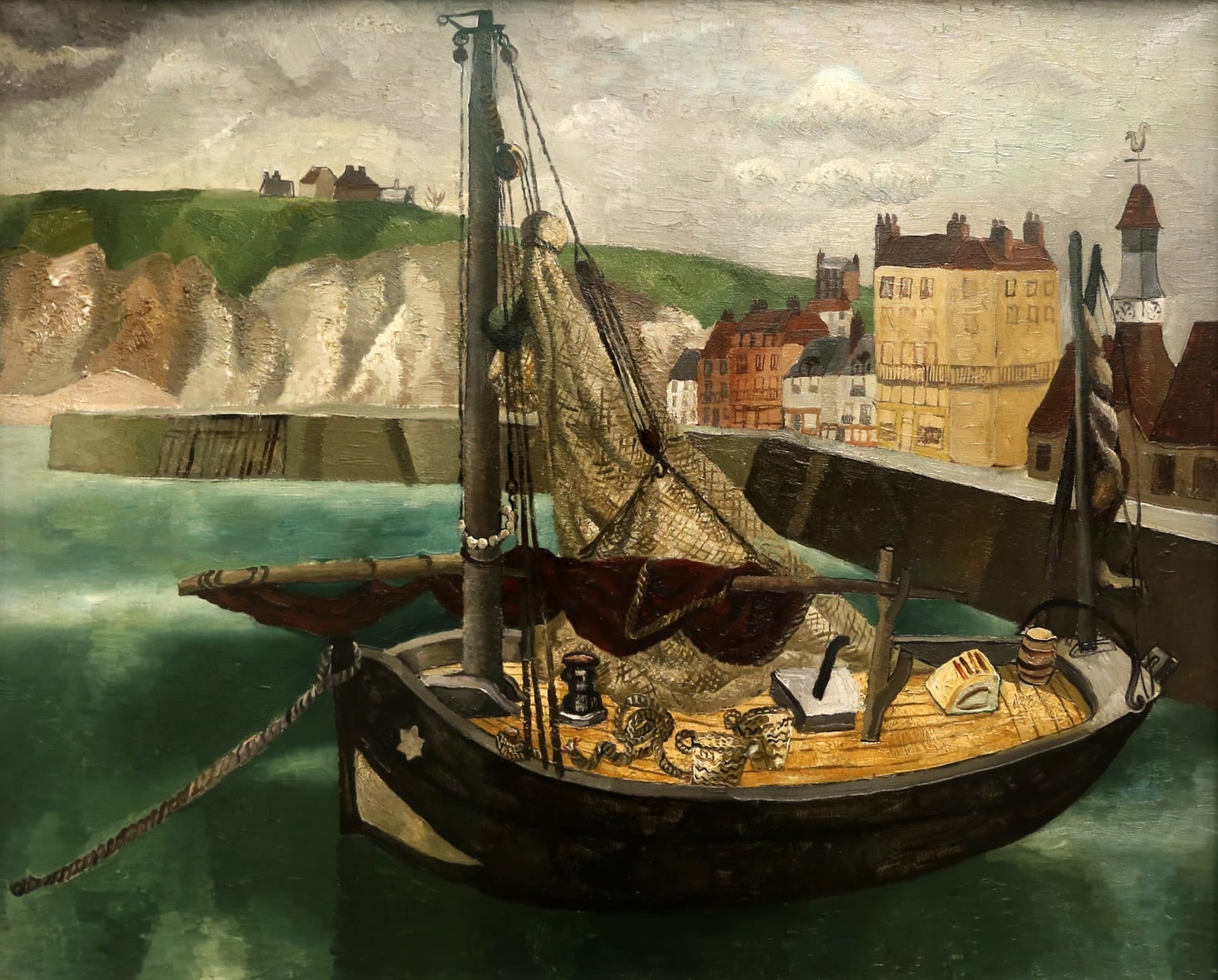
The meeting between Ben Nicholson, Christopher Wood and the fisherman-painter Alfred Wallis is one of the defining moments in British twentieth-century art. Wallis demonstrated that directness and simplicity could be more truthful than academic perspective, and Nicholson spent the following decades refining an entirely new visual language. His rare Swiss etchings, produced with François Lafranca, reduce familiar objects to their essential architecture, while the cancelled proofs in the collection reveal the artist's working process as clearly as the exceptional finished editions we hold.
The collection reaches its centre with the remarkable generation that transformed St Ives into an international centre of modernism.
Peter Lanyon remained deeply connected to landscape, but his paintings became increasingly concerned with movement, space and sensation rather than topographical accuracy. Our double-sided Pink House in Woods / Mountains is an exceptional example from this formative period, in microcosm showing this beginning transformation, documented in Toby Treves' catalogue raisonné and retaining exceptional family provenance through Sheila Lanyon. It captures the moment when representation begins to dissolve into something far more personal and abstract. Later work shows the development of his glider work showing his native Cornwall’s landscape from above.
Alongside Lanyon are artists who each approached abstraction from a different direction. Roger Hilton's early drawings exhibit humour and spontaneity compared to the remarkable economy of line of his later work. Terry Frost distilled harbours, boats and Cornish light into bold geometric rhythms. Trevor Bell pursued an increasingly architectural abstraction across four decades, represented here ranging from early works on paper as well as the later monumental shaped canvas As Whites, Shore, illustrated in the definitive monograph on the artist. Sandra Blow reduced colour and texture to their essentials, while William Gear brought the energy of European abstraction and the CoBrA movement into British painting.
The collection also explores the wider development of post-war British abstraction.
Alan Davie's instinctive symbolism literally builds on the Cornish landscape and history in our work, Grand Insignia. Adrian Heath's Constructivist compositions demonstrate the extraordinary diversity of British abstraction during the decades following the Second World War - a period that encouraged and created change. These artists shared neither style nor philosophy, but each sought to move beyond representation towards a visual language built from shape, rhythm, colour and space.
Sculpture forms an equally important thread throughout the collection.
With sculptures from leading post-war artists with works from Barbara Hepworth's rare screenprinted linen for Denis Mitchell’s Porthia Prints demonstrating how sculptural thinking could extend into textiles and domestic interiors companioned with an intimate study of Hepworth in her St. Ives studio by Mervyn Levy. Eduardo Paolozzi's celebrated unique Metallization of a Dream and two plaster heads from the artist’s studio show the range and media in which this generation of artists worked.
Provenance is a recurring theme throughout this collection. Many works come directly from artists' estates, family members, Gimpel Fils, Marlborough Fine Art, the Bayer Collection, the John Acton Collection and other distinguished private collections. Many are recorded in catalogue raisonnés or have been exhibited publicly. These histories are not incidental; they place each work within the wider story of British modernism.
Ultimately, Moving to Modernism - Arriving at Abstraction, is not simply about abstraction. It is about artists learning to see differently. The works assembled here demonstrate that abstraction did not emerge through rejection of the landscape, but through a deeper engagement with it. Whether through Nicholson's disciplined geometry, Lanyon's immersion in landscape, Bell's architectural installations, Frost's use of colour or Hepworth’s use of form, each artist found a new way to express experience beyond appearances.